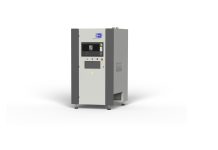
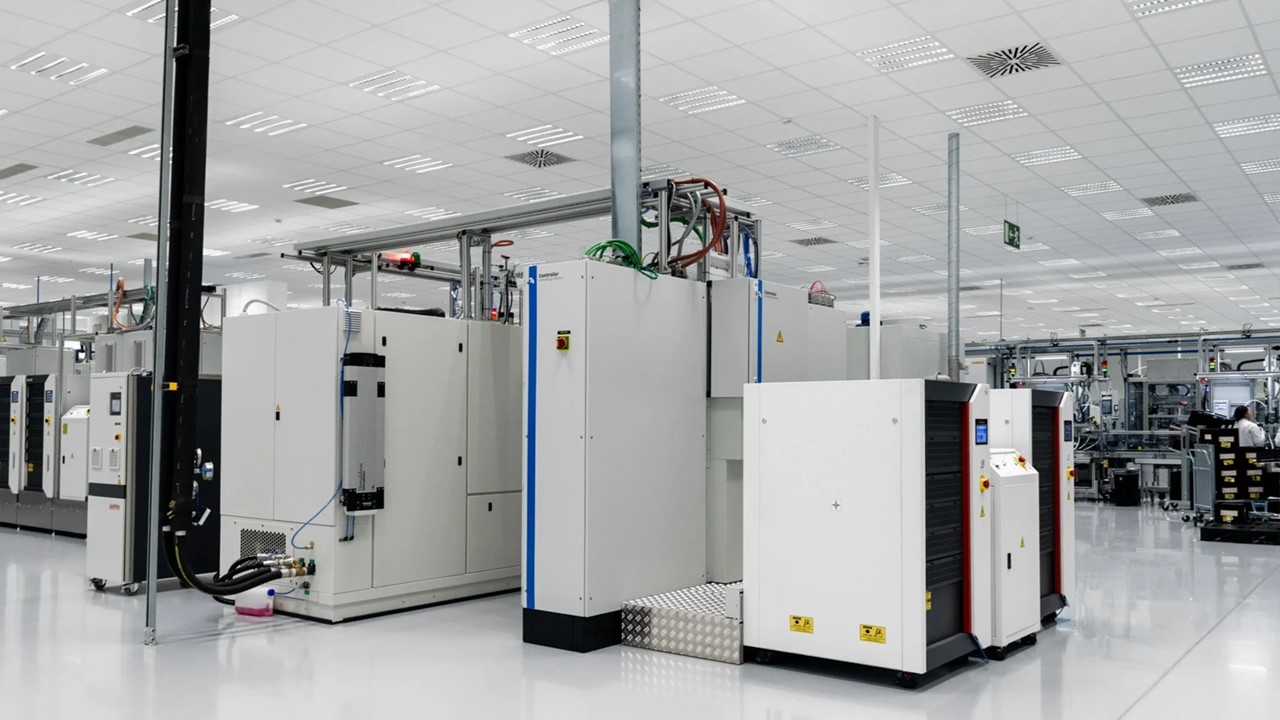
Controlar has published a new application case study detailing a fully automated Environmental Stress Screening system developed for high-voltage DC-DC converters used in electric vehicles. The system was designed to screen production units under extreme thermal conditions while performing electrical and functional tests, helping identify hidden manufacturing defects before products reach the field.
The solution combines thermal cycling from −40 °C to +85 °C, full electrical loading, automated handling, and functional verification within a controlled test process. By integrating these operations, manufacturers can improve test consistency, increase traceability, and screen every converter without relying on separate manual processes. The system also enables manufacturers to evaluate product performance under realistic operating conditions, while improving repeatability and confidence in long-term reliability.
The case study is accompanied by a new technical article, Improving Product Reliability Through Environmental Stress Screening (ESS), which examines how ESS can be incorporated into manufacturing quality strategies and how it differs from conventional functional testing. The article explains how controlled exposure to environmental conditions, including temperature cycling, vibration, humidity, and electrical stress, can uncover latent manufacturing and workmanship defects that functional testing alone may not detect.
Together, the two resources provide test engineers, manufacturers, and quality teams with practical guidance on integrating ESS into production quality processes and reducing costly field failures.
“Environmental Stress Screening is most valuable when it is integrated into a repeatable production process,” said Maria Gonçalves, CMCO and Global Marketing Manager at Controlar. “This project demonstrates how thermal cycling, electrical loading and automated functional testing can and work together to identify latent defects before shipment. The system also reflects the custom test and automation solutions available to North American automotive and electronics manufacturers through Controlar’s local office in Anderson, South Carolina, supported by the company’s global engineering teams.”
As electrification, automation, and increasingly complex electronic systems continue to reshape global industries, testing methodologies such as ESS are becoming an essential part of modern manufacturing quality strategies. Controlar continues to invest in test technologies that enable customers to screen production units under defined thermal and electrical conditions, improve process consistency and strengthen quality throughout the product lifecycle.
Read the Technical Article, view the ESS Case Study and watch the Video.