Shifting your electronics assembly to a new electronics manufacturing service (EMS) provider is a major strategic decision. Companies often pursue this change to overcome production delays, quality issues, or limited technical capacity, while improving cost efficiency and scalability. Supply chain resilience is an increasingly important driver amid geopolitical uncertainty and rising logistics costs, making nearshoring and reshoring particularly popular.
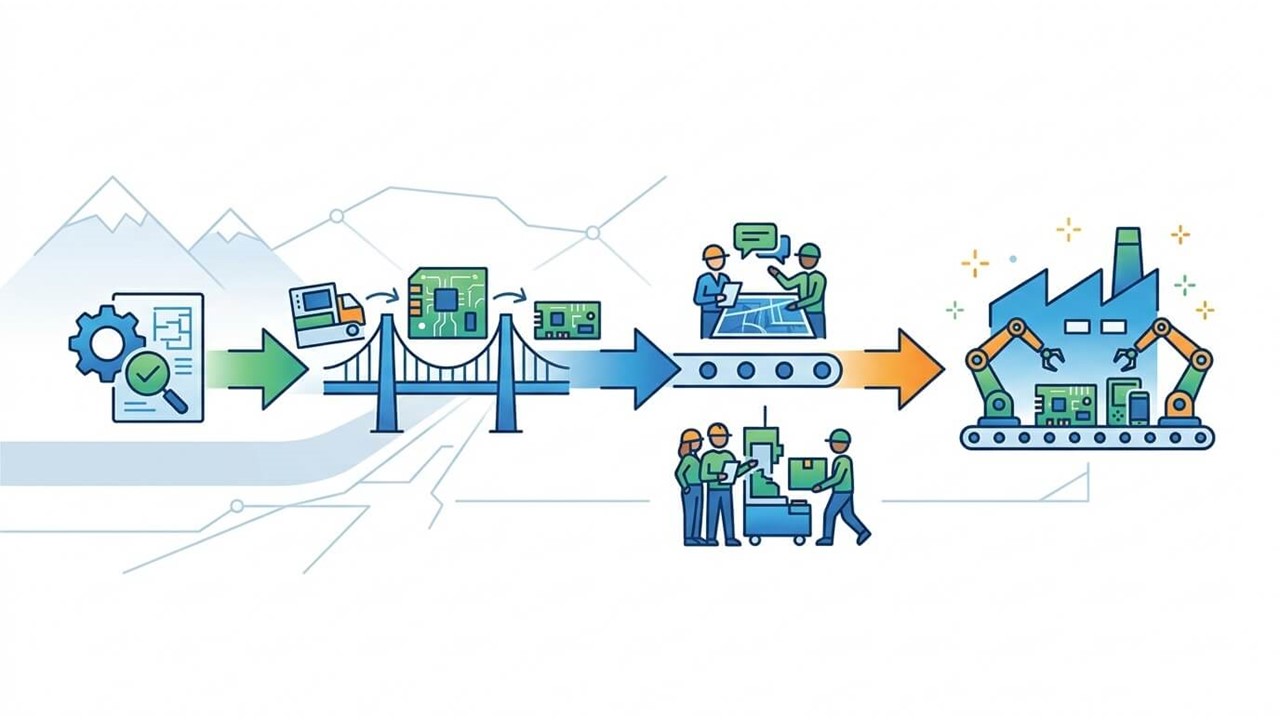
Successful transition requires careful planning, thorough knowledge transfer, and a phased approach. This article guides you through the key steps, common challenges, and best practices to achieve a smooth and reliable EMS migration.
Why Transfer Your Electronics Assembly: Benefits and Necessity
Several circumstances can make it necessary or advantageous to transfer electronics assembly to a new EMS provider. Identifying these drivers helps companies decide whether a transition is strategic or avoidable.
Limitations of the existing EMS partner
Ongoing quality problems, missed delivery deadlines, limited production capacity, or outdated technology can indicate that change is overdue. Inconsistent communication, high logistics costs, or poor responsiveness may further strain the partnership, jeopardising production stability and customer satisfaction.
Strategic drivers for change
Many OEMs are increasingly exploring nearshoring or reshoring to strengthen supply chains and reduce reliance on distant manufacturers. Locating production closer to key markets shortens lead times, improves quality control, and enables faster response to engineering changes.
European companies in particular are reassessing supply chain resilience and operational visibility. Producing within Europe allows OEMs to coordinate engineering changes efficiently, operate in similar time zones, and maintain closer oversight of manufacturing processes.
Poland has emerged as one of the most attractive hubs for electronics manufacturing services (EMS) in Europe. The country offers a strong base of electronics engineering talent, advanced production infrastructure, and direct access to major European markets. Polish EMS providers combine these advantages with high technical competence, allowing OEMs to benefit from shorter logistics routes, faster communication between teams, and greater flexibility when scaling production or introducing product modifications.
For companies looking for a reliable EMS partner in Poland, ASSELEMS combines advanced electronics manufacturing capabilities with strong engineering support and proximity to key European markets.
External risks affecting production
Operations in distant regions such as China can be impacted by political tensions, customs delays, or tariffs, creating unpredictable disruptions. Long supply chains can also limit flexibility in responding to demand fluctuations, extend transport times, and reduce visibility across the production process.
By contrast, European locations, especially Poland, offer regulatory stability, predictable logistics, and well-developed industrial ecosystems. These factors make Poland not just a geographically convenient option but a strategically resilient hub for EMS, where companies can maintain high operational standards and ensure continuity in their production.
Benefits of transitioning to a new provider
A new contract manufacturer can provide a more reliable supply chain, advanced manufacturing and testing capabilities, improved collaboration on engineering projects, and opportunities to reduce costs. Other advantages could be faster time-to-market, more consistent product quality, and reduced operational risk.
Knowing when to make the move
A transfer is justified when the new partner can seamlessly integrate with existing processes and support future growth.
Planning Phase: Selecting the Right EMS Provider:
Selecting an EMS partner is a critical step in ensuring a smooth transition. Proper planning helps both you and the new electronics manufacturer fully understand the manufacturing and testing requirements. This alignment helps the service provider integrate seamlessly with your processes and meet your production standards.
Focus planning on four key areas:
1. Defining the scope and objectives
Before choosing a new EMS partner, it is essential to clarify what will be transferred. Identify whether the scope includes PCBA, electro-mechanical assembly, or complete box builds. Defining clear objectives helps prioritise activities, ensures alignment between teams, and sets expectations for both technical and operational performance.
2. Industry certifications
Industry certifications also provide important confirmation that the manufacturer follows recognised operational standards.
Certifications such as ISO 9001 for quality management, ISO 13485 for medical device manufacturing, and ISO 14001 for environmental management demonstrate that processes are structured, audited, and continuously improved. For OEMs, this reduces risk and simplifies supplier qualification.
3. Technical due diligence and production capabilities
Visiting the potential EMS partner’s facility is a critical step to evaluate production infrastructure, technical competencies, and adherence to safety and quality standards. Observing workflow organisation, management processes, and certifications allows OEMs to identify both strengths and potential gaps before formalising a partnership.
During the audit, OEMs should verify that the provider utilises modern production and inspection technologies that support complex electronics manufacturing.
SMT lines and manufacturing flexibility
Surface-Mount Technology (SMT) lines are the foundation of modern electronics manufacturing. OEMs should verify that SMT lines are modern and capable of supporting the product’s exact technical requirements.
If an EMS provider operates in a High-Mix Low-Volume (HMLV) model, they are expected to be able to produce a wide variety of products in relatively small batches. In practice, such suppliers often dedicate specific SMT lines to specialised tasks, for example, one line for New Product Introduction (NPI), another for long-term production programs, and a separate line for highly complex boards with dense component placement.
It is equally important to evaluate the engineering expertise behind the equipment. Experienced EMS teams should be able to solve technical challenges such as reducing voiding beneath components by developing project-specific solutions.
Production continuity is another key factor. In well-organised facilities, production can be transferred quickly to another line with a similar configuration. When evaluating this capability, OEMs should also consider future scalability, for example, whether the supplier can add another shift or allocate an additional line if production volumes increase over the next few years.
Through-hole technology and selective soldering
Through-Hole Technology (THT) remains essential for many applications, particularly in power electronics or assemblies exposed to mechanical vibrations and higher loads. For OEMs requiring THT for their products, it is highly recommended to ensure an EMS provider offers selective soldering.
Inspection and process control systems
Inspection technologies play a crucial role in maintaining stable production quality. Leading EMS providers typically combine several inspection methods throughout the manufacturing process.
Automated Optical Inspection (AOI) systems detect placement issues, lifted leads, or other visible defects, while 3D Solder Paste Inspection (SPI) systems measure the actual height and volume of solder paste deposits before components are placed. This is particularly important because many assembly defects originate from incorrect solder paste application.
Automated X-ray inspection for complex assemblies
When assessing this capability, it is also important to review the technical specifications of the equipment, as the power of the X-ray system determines its ability to penetrate materials of varying thicknesses and accurately inspect complex assemblies.
In industries such as medical, automotive, or industrial electronics, X-ray inspection is often a standard or regulatory requirement for ensuring product reliability and safety, especially in high-density designs where inspection beneath integrated circuits is critical.
Box build and environmental protection processes
In addition to PCB assembly, many OEMs require broader manufacturing capabilities such as electro-mechanical integration or complete box-build production. EMS providers offering these services can assemble full products, including cable harnesses, mechanical components, and final system integration.
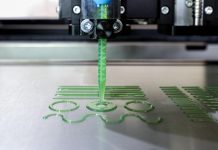
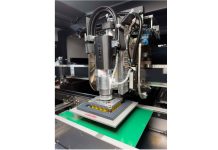
For devices operating in demanding environments, environmental protection processes are equally important. Selective conformal coating and potting technologies protect electronics against moisture, dust, vibration, and chemical exposure. Modern automated coating systems can apply protective layers accurately while avoiding connectors and sensitive areas, ensuring consistent protection across production batches.
Functional testing and custom test systems
Testing capabilities are another key indicator of a mature EMS partner. In advanced manufacturing environments, test systems are often developed or adapted by engineering teams specifically for the product being manufactured.
Well-designed testing solutions should provide reliable measurements, deliver consistent results across production batches, and minimise the risk of operator error. Designing these testers often requires both electronics and mechanical engineering expertise, combining multiple disciplines directly on the production floor.
Additional validation methods, such as First Article Inspection (FAI) or Environmental Stress Screening (ESS), are often used to confirm that assemblies meet both functional and reliability requirements before scaling production.
Production standards and reliability requirements
In industries where reliability is critical, electronics may need to be manufactured according to recognised standards such as IPC Class 2 or IPC Class 3.
IPC Class 3 applies to electronic products where failure could have serious consequences, including medical devices, industrial control systems, or safety-critical equipment.
Even when production follows IPC Class 2 or Class 3 standards, many OEMs introduce additional requirements depending on their application or market segment. These may include product-specific functional tests, stress screening protocols, or stricter traceability measures.
Engineering collaboration and DFM / DFT support
Another important aspect of evaluating an EMS partner is the level of engineering collaboration they offer during the transfer process. Experienced providers support Design for Manufacturing (DFM) and Design for Testing (DFT) activities, helping optimise products for stable and efficient production.
Through this collaboration, potential design risks can be identified early, layouts can be improved, and testing procedures can be simplified. As a result, the transition to serial manufacturing becomes more predictable, scalable, and aligned with the OEM’s technical standards.
4. Traceability and quality management
Beyond the production equipment itself, the maturity of operational systems is equally important. A reliable EMS partner should operate integrated management platforms such as ERP and MES, providing full visibility into production planning, material flow, and inventory control. End-to-end traceability, which involves tracking components, production batches, and testing data down to the individual unit, ensures compliance with customer requirements and enables rapid root-cause analysis if issues arise.
Certifications offer an additional layer of confidence that processes meet recognised standards:
- ISO 9001 – confirms robust quality management systems.
- ISO 13485 – demonstrates capability in manufacturing medical devices safely and reliably.
- ISO 14001 – ensures environmental management practices are in place.
- ISO 22301 – supports business continuity even under challenging conditions.
It is also essential to review how the EMS manages suppliers, incoming inspections, and in-process quality controls. Structured vendor evaluations, documented procedures, and traceable production data demonstrate consistent standards across multiple production runs.
5. Risk analysis and contingency planning
Assess possible risks such as supply chain interruptions, knowledge gaps, or unforeseen production challenges. Prepare mitigation strategies, including identifying backup partners or conducting trial production runs, to reduce disruptions during the transfer.
Another critical aspect is proactive BOM and obsolescence management. Experienced EMS partners continuously monitor component availability, supplier risks, and End-of-Life (EOL) announcements. By identifying qualified alternatives early, often during the NPI phase, they help prevent supply disruptions and maintain production continuity, reducing the risk of sudden redesigns or costly production delays.
This proactive approach significantly reduces the risk of sudden redesigns, production stoppages, or unexpected cost increases.
6. Scheduling and milestones
Establish a detailed timeline with key milestones, including knowledge transfer, NPI build runs, and full production. A structured schedule ensures the project progresses smoothly, allows for progress tracking, and minimises potential delays.
Preserving Expertise During EMS Migration
Local knowledge is accumulated over years: small process tweaks, informal quality checks, and nuanced handling methods, all are critical to maintain production performance. Sharing these insights with the new EMS provider ensures continuity, helping OEMs safeguard operational knowledge, reduce early production errors, and establish a solid foundation for a seamless transition.
Communicating requirements clearly
Start by transferring all manufacturing and quality standards, including inspection criteria, material controls, process tolerances, and traceability protocols. Joint reviews between OEM and EMS teams confirm that expectations are clearly understood and implemented from day one.
Updating documentation
Ensure all build packs, assembly instructions, and manufacturing procedures are complete and reflect every Engineering Change Order (ECO). Standardised, up-to-date documentation supports repeatable production and facilitates continuous improvement.
Transferring test equipment
Specialised test rigs or fixtures should be handed over or precisely replicated at the new facility. OEM and EMS engineers often collaborate to requalify or calibrate equipment, ensuring consistent testing results and smooth integration.
Initial Production Onboarding
By systematically onboarding the new EMS provider, OEMs can reduce the risk of early production errors, build confidence in the partner’s capabilities, and lay the groundwork for a smooth full-scale production launch.
Consider the crucial steps below.
Understanding the EMS workflow
Start by gaining a deep understanding of the new partner’s production methods, reporting processes, and quality assurance systems. Observe material flow, scheduling, and process control to ensure alignment. Site visits, floor walkthroughs, and discussions with supervisors provide insights into day-to-day operations and potential challenges during the transfer.
Phased introduction of production
Avoid moving the entire production at once. Introduce small, controlled batches initially to detect issues in documentation, supply continuity, or assembly procedures.
Keeping a buffer of finished goods is advisable to mitigate potential disruptions. A gradual transition allows teams to adjust and refine workflows while minimising risk.
NPI build run and verification
Execute a New Product Introduction (NPI) build run to validate production capabilities. Functional tests should not only confirm that the product operates correctly but also be designed by the EMS engineering team to ensure reliability, repeatability, and resilience against operator error.
Automated testing and environmental stress screening complement these functional checks, helping to verify that production meets high-reliability standards from day one.
Continuous Improvement After Production Launch
After stabilising initial production, make sure to maintain regular communication with your EMS partner to quickly address queries and clarify requirements. Early series runs often reveal small process gaps or documentation discrepancies, making responsiveness vital to maintain quality and timelines.
Schedule frequent business reviews to evaluate production against key performance indicators, identify bottlenecks, and resolve open issues. These sessions provide a platform for both OEM and EMS teams to align on goals, discuss lessons learned from initial batches, and set priorities for optimisation.
Once production is stable, introduce gradual improvements to enhance efficiency. Consider workflow adjustments, minor design tweaks, and optimised component sourcing strategies. Each change should be implemented carefully to maintain supply continuity while improving throughput and reducing costs.
Finally, remember that the goal is continuous enhancement without jeopardising production reliability. Structured communication, iterative improvements, and collaborative monitoring ensure that processes evolve, quality remains high, and operational performance steadily advances.
Avoiding Common Transfer Challenges
One of the common mistakes during the switch to a new EMS provider is attempting to move all production or implement too many changes simultaneously can overwhelm both the OEM and EMS teams. This often leads to errors, production delays, and compromised quality. Gradual, controlled transfer ensures that processes are properly understood and executed.
It is also crucial to maintain contingency stock or partial production inventory. Early production stages may reveal unexpected bottlenecks, documentation gaps, or supply shortages, while having backup inventory protects customer deliveries and allows time for the new EMS partner to stabilise processes.
Furthermore, it is necessary to maintain clear, timely communication with the EMS partner. Misunderstandings regarding assembly instructions, quality expectations, or process documentation can result in costly rework and production errors.
FAQs
How much time is required for a complete EMS transition?
The duration of a full production transfer depends on factors such as product complexity, the number of assembly steps, and supply chain dependencies. Generally, companies should expect a timeframe of 6–12 months. Extra time should be reserved for testing, pilot production, and validation of NPI batches to ensure processes run smoothly and quality standards are consistently met.
Which technical documents must be provided to the new EMS partner?
Accurate and complete documentation is crucial. Essential items include BOMs, pick-and-place files, Gerber files, mechanical and electrical schematics, assembly instructions, and testing procedures. Documentation must also reflect previous Engineering Change Orders (ECOs) and quality criteria. Omissions can lead to misalignment, rework, or delayed production ramp-up.
Should smaller-scale trial runs be conducted?
Absolutely. Running a limited NPI batch allows early detection of potential assembly issues, validates process accuracy, and ensures alignment between the OEM and EMS teams.
How can I verify readiness before scaling production?
On-site audits, technical reviews, and process walkthroughs with the EMS team help confirm that all requirements are understood, resources are adequate, and workflows are fully prepared for larger-scale production.
Final Thoughts: Key Strategies for EMS Migration
A seamless transition to a new EMS provider requires careful preparation, incremental rollout, and full knowledge sharing. Select a provider that integrates well with your team and communicates openly. Start by duplicating existing production practices to ensure uninterrupted supply and consistency. Once processes stabilise, implement gradual optimisations to improve efficiency and performance.
Following this methodical strategy is necessary for production reliability, flexibility, and operational efficiency.
To learn more, visit www.asselems.com.